

Facts for Kids About Elephants Used for Entertainment
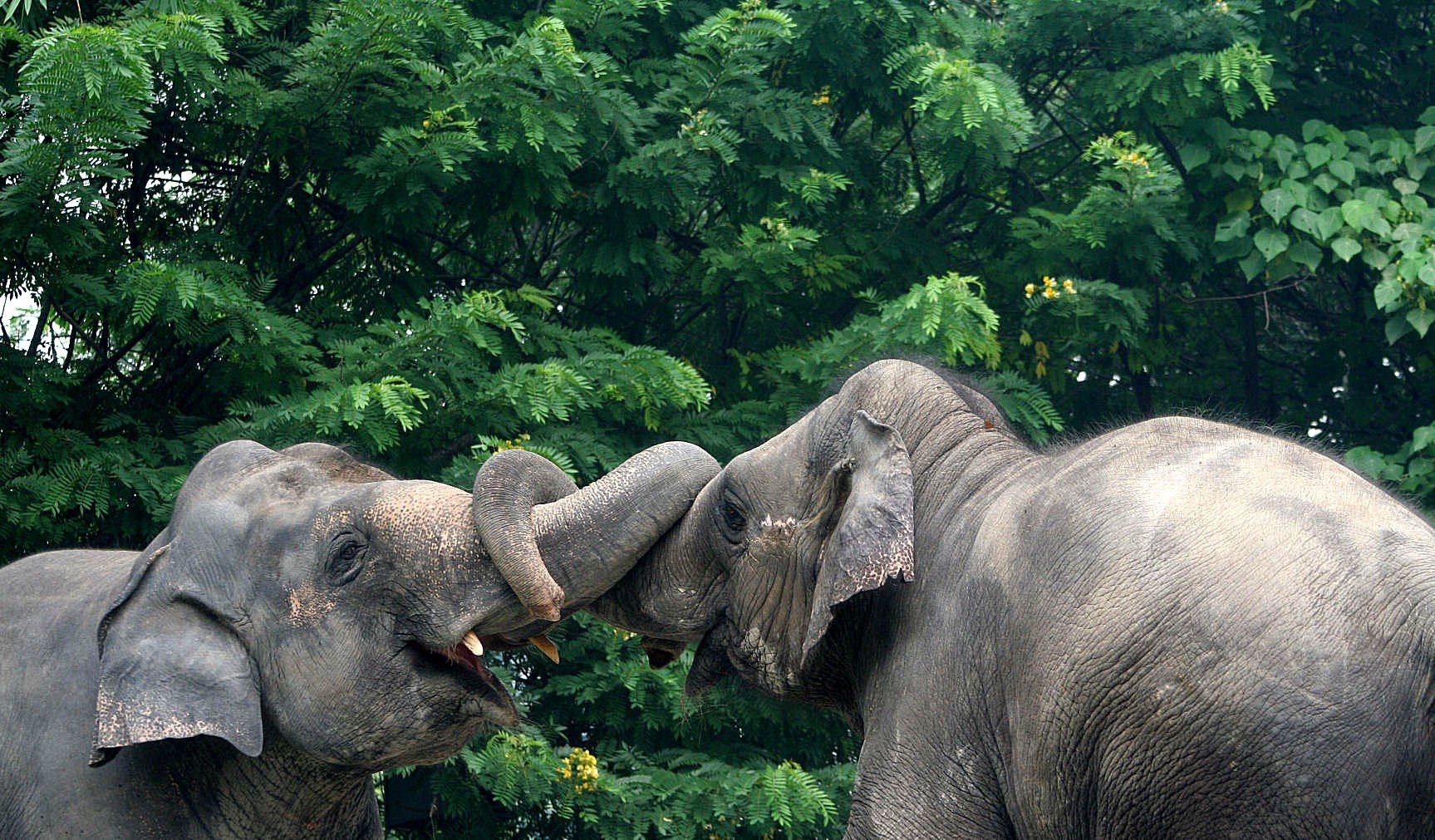
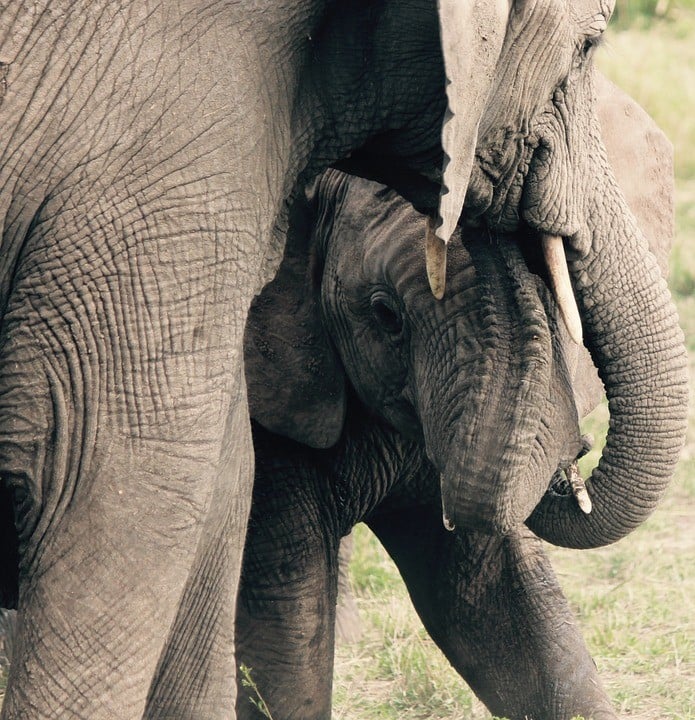
Some people use elephants for entertainment, even though they’re very smart herd animals. In their natural homes, they look out for each other and even try to cheer each other up by “hugging.” An elephant hug looks like two elephants putting their trunks in each other’s mouths.
Can you solve this riddle?
I can grab a peanut or give a hug
I can lift a log or splash some mud.
I’m part of an animal, who is kind and smart.
I can trumpet a tune and win your heart.
What am I?
If you answered trunk, then you are correct! Did you know that elephants use their trunks as hands, noses, straws, and even sprinklers or that elephants greet each other by wrapping trunks—kind of like a high‑five and a hug combined? An elephant’s trunk is also SO strong that it can knock down massive trees, but it can also pick up a tiny blade of grass!
Elephants Have Big Brains and Big Hearts
Did you know that elephants are smart, thoughtful, and loving? They’re so smart that they can tell the differences in humans’ genders and age groups just by the sound of their voices and can understand human body language. Not only are elephants smart, they have also the largest brains of any land animal! They care about each other and can become depressed when they’re separated, often crying out for their lost friends or family members. If an elephant dies, their herd will mourn their death and stand by the body. They have even returned to the bones later.
Elephants in Circuses Are Abused and Deprived
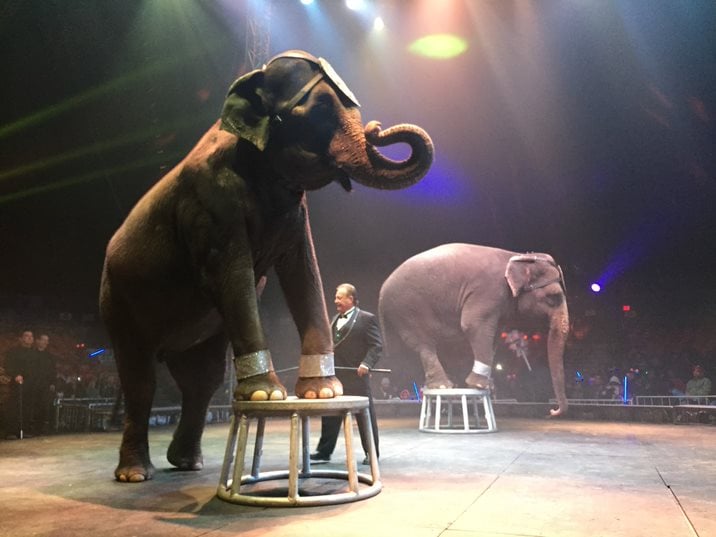
Elephants who are used for entertainment don’t get to do anything they like to do. Because these gentle giants are so powerful, they’re often torn away from their families when they’re just babies. Can you imagine what it would be like never to see your family again?
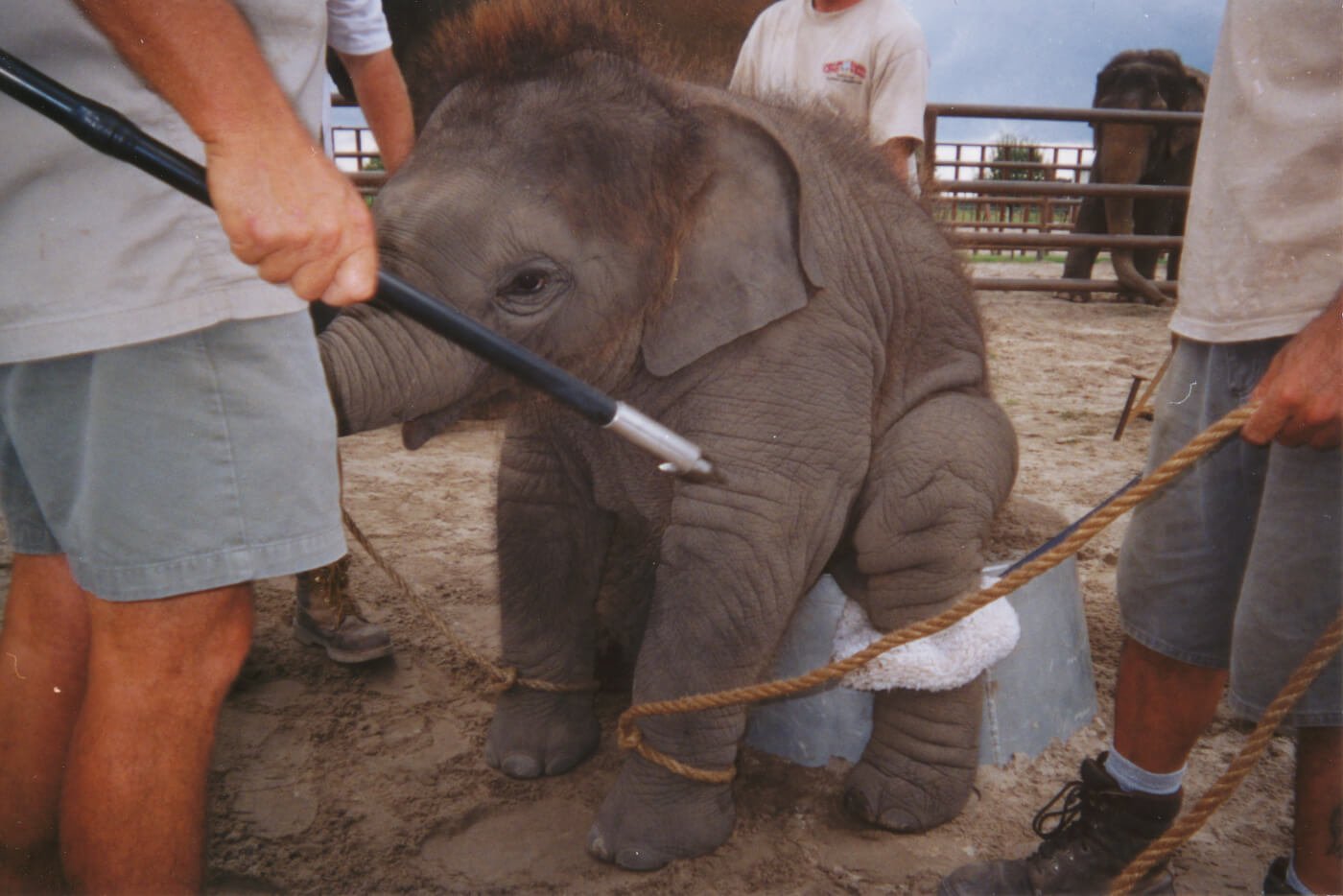
Circuses are terrible places for elephants, and trainers abuse them using electric shocks, whips, and sharp metal-tipped sticks called “bullhooks.” When they make a “mistake,” they may be beaten, yelled at, tied up with ropes, or chained for hours. Many elephants in circuses develop arthritis, foot infections, and other health problems, and sometimes they don’t even get treatment.
Elephant Rides Cause Suffering
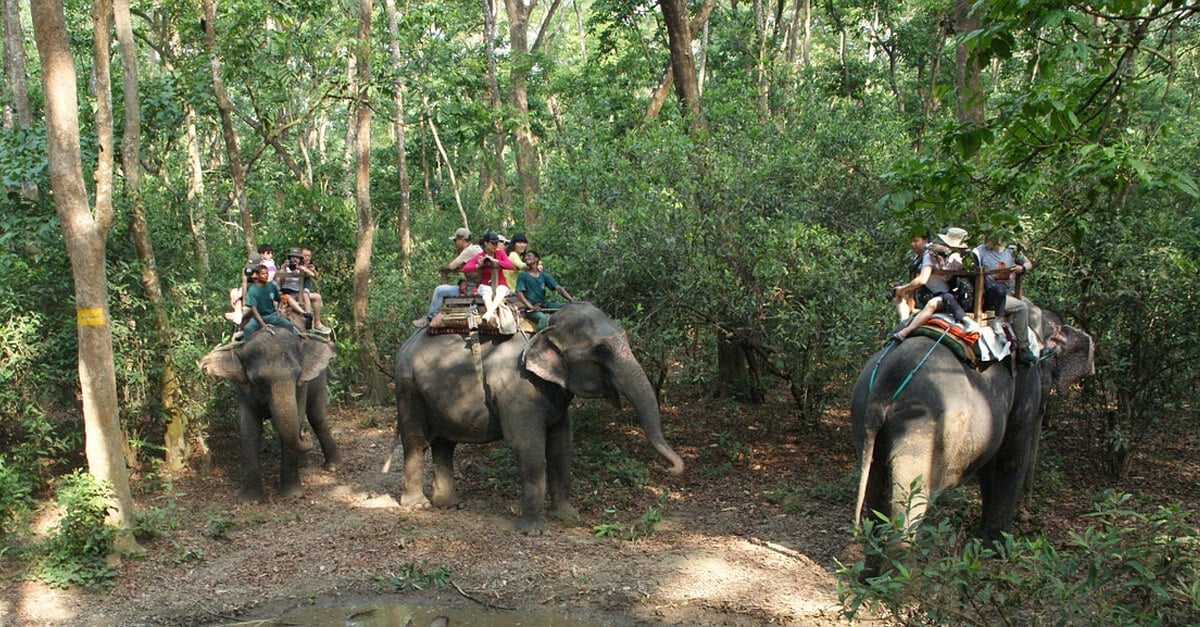
Elephants forced to give rides are separated from their mothers as babies, and people hurt them and scare them to try and break their spirits so they can be easily dominated. In this process, they are often tied down with ropes and beaten, sometimes for days. Some of them die during the abuse.
What You Can Do to Help Elephants Used for Entertainment
Elephants are used by the entertainment industry for one reason: to make money. People who exploit them don’t care about their well-being. If you want to help stop this abuse, don’t go to animal circuses, say no to elephant rides, and don’t buy tickets to movies that use real animals.

Under 13? Ask your parents bee-fore you continue!